Alex Beck · 30 October 2026
Wellness Practices and Environmental Themes Reshape Personalized Tutoring Across Poland
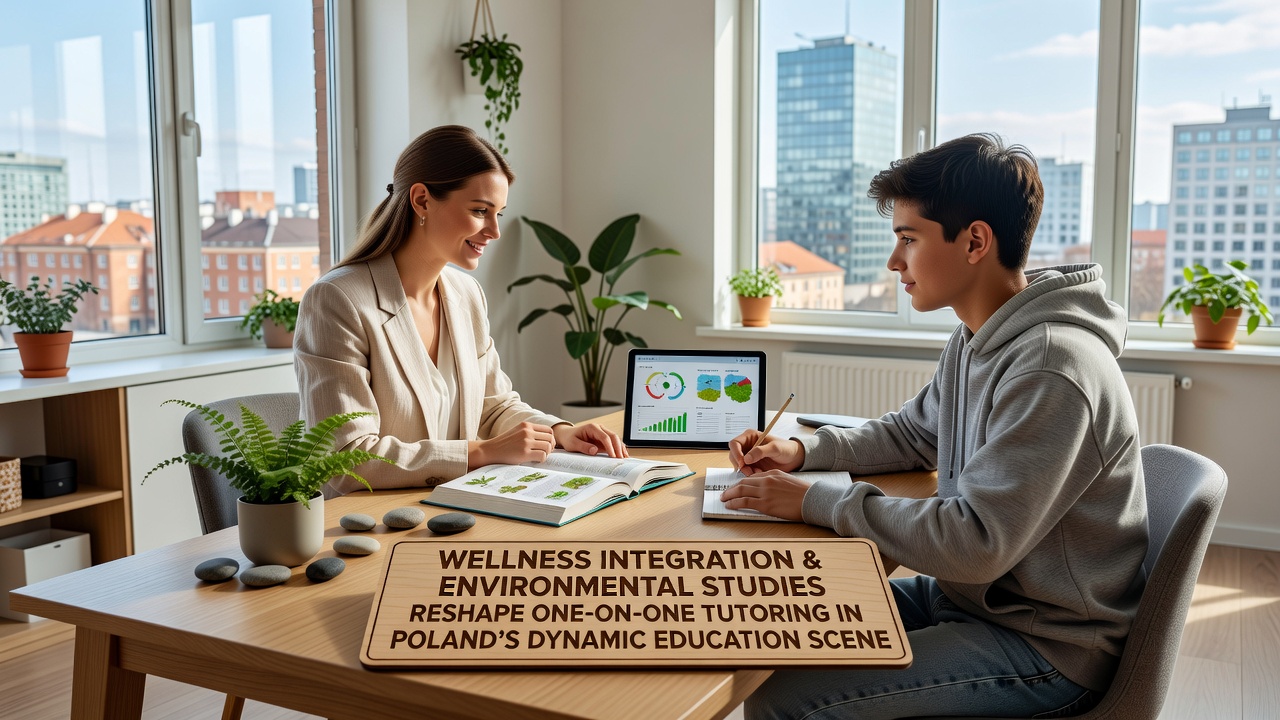
Poland's tutoring sector continues to evolve as wellness integration and environmental studies gain traction in one-on-one sessions, with programs adapting to student needs in urban centers like Warsaw and Krakow as well as smaller towns. Data from recent academic reviews shows increased demand for tutors who combine mental health support with lessons on sustainability, particularly since enrollment patterns shifted after 2024 university reforms.
Wellness Elements Enter Daily Tutoring Routines
Tutors across the country now incorporate breathing exercises, mindfulness intervals, and stress management techniques into standard lesson plans, while researchers at Polish universities track how these additions affect retention rates among secondary school students. Studies indicate that sessions blending academic content with short wellness breaks produce measurable improvements in focus, and several tutoring networks report higher retention among participants who receive such integrated support.
One program operating in the Silesian region began offering guided reflection periods in October 2025, and by mid-2026 similar models had spread to five additional voivodeships. Observers note that these changes align with broader European trends where mental health resources receive dedicated funding lines under education budgets.
Environmental Studies Gain Dedicated Time Slots
Environmental topics now occupy regular portions of tutoring schedules, covering local biodiversity projects, climate data analysis, and sustainable resource management alongside core subjects like biology and geography. Figures released by the Polish Ministry of Education reveal that requests for tutors specializing in environmental modules rose by 28 percent between 2024 and 2026, driven partly by new secondary curriculum requirements that emphasize real-world applications.
Students preparing for university entrance exams in fields such as environmental engineering or agricultural sciences frequently seek tutors who can connect textbook material to field examples, and providers respond by designing case studies drawn from Polish national parks and EU-funded restoration initiatives. This approach allows learners to practice data interpretation while discussing measurable outcomes from ongoing conservation efforts.
Combined Approaches Attract Diverse Student Groups
International students and those from lower-income households increasingly select tutoring packages that address both wellness and environmental themes, according to enrollment statistics compiled by regional education offices. These combined offerings help address barriers such as exam anxiety and limited access to outdoor learning experiences, while tutors use digital tools to simulate environmental scenarios when in-person field visits prove impractical.
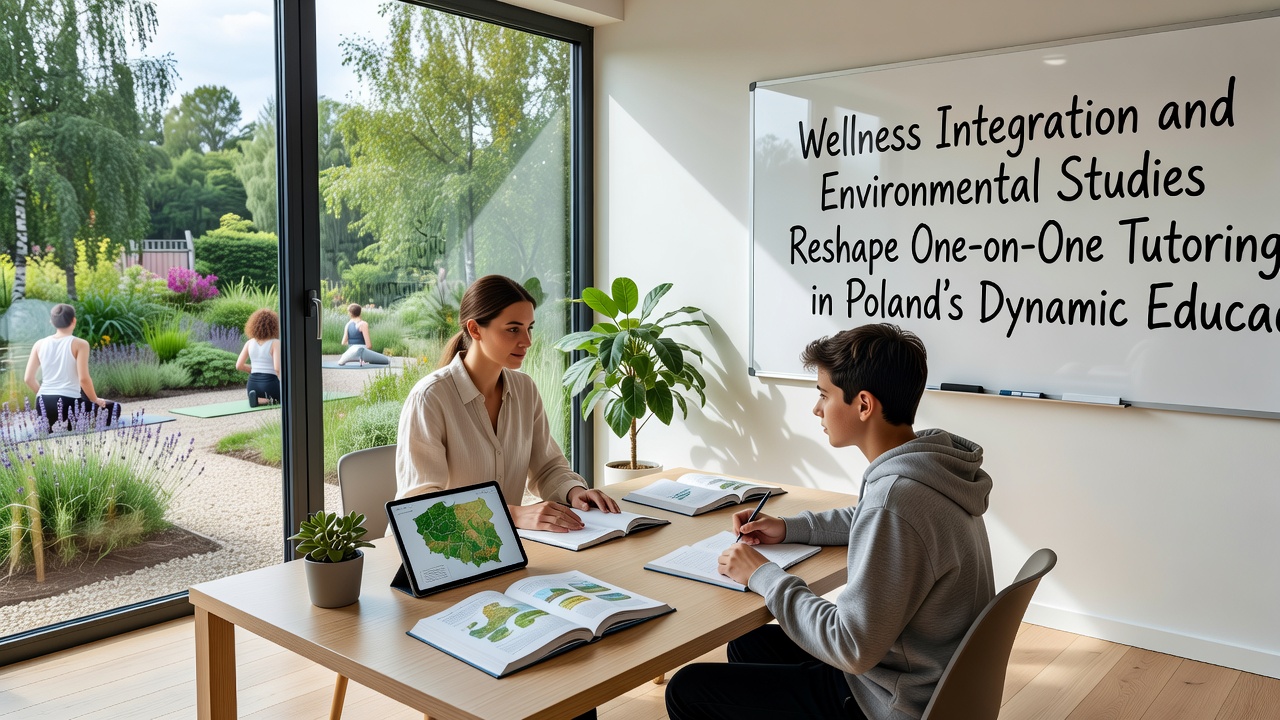
Training workshops run by professional associations equip tutors with certification in basic wellness facilitation and updated environmental science content, and completion rates for these programs reached 74 percent in the most recent reporting period. Partnerships with local NGOs supply case materials and guest speakers, creating structured pathways for tutors to stay current without leaving their practice areas.
Regional Variations Shape Implementation
Urban tutoring centers in major cities tend to emphasize digital wellness apps and virtual environmental modeling, whereas rural providers focus on direct observation of local ecosystems and community-based wellness circles. Reports from the OECD education database highlight how these regional differences reflect varying infrastructure levels, yet both models show consistent uptake when adapted to student demographics.
October 2026 marks the scheduled rollout of a national pilot that pairs certified tutors with schools in underserved districts, providing subsidized sessions that integrate wellness check-ins with environmental project work. Early participant feedback collected by independent evaluators points to improved attendance and self-reported confidence among students who complete at least eight combined sessions.
Conclusion
Poland's one-on-one tutoring landscape reflects ongoing adjustments driven by wellness integration and environmental studies, supported by enrollment data, training program outcomes, and curriculum updates that continue through 2026. Providers maintain flexibility to meet shifting student requirements while drawing on established educational frameworks and regional resources.