Katja Wolf · 2 October 2026
Scholarships Powering Poland's Rise of AI-Trained Tutors in STEM and Wellness
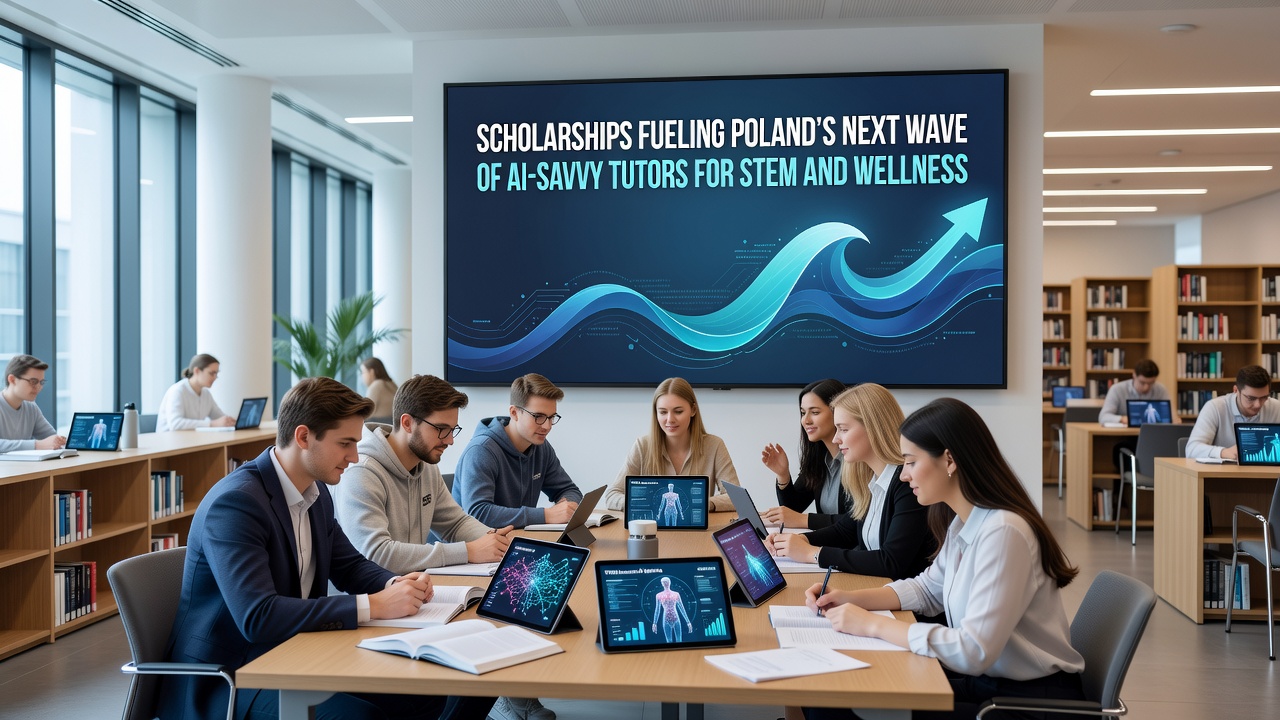
Scholarship programs have expanded across Poland in recent years and they now support specialized training that combines artificial intelligence tools with tutoring in STEM fields and wellness practices. Data from the Polish National Agency for Academic Exchange indicates that over 1,200 new scholarships were awarded in 2025 for programs focused on AI literacy among educators and tutors. These initiatives target individuals who plan to work with secondary students and university learners in mathematics, physics, biology, and related areas while incorporating wellness components such as stress management techniques and physical activity guidance.
Program Structure and Eligibility
Eligibility criteria for these scholarships require applicants to hold at least a bachelor's degree in a STEM discipline or a related health field, and they must complete modules on machine learning applications for personalized learning plans. Recipients attend workshops that cover data analytics for student performance tracking along with ethical considerations in AI use. The European Commission education portal reports that similar frameworks operate in several member states, yet Poland's version places additional emphasis on rural and smaller urban centers where access to advanced training remains limited.
Funding comes from a combination of national budgets and European Union structural funds, with allocations that reached 45 million euros by the close of 2025. Recipients commit to two years of service in approved tutoring centers after completing their training. Observers note that this requirement helps distribute AI-savvy tutors more evenly across regions rather than concentrating them in major cities like Warsaw or Krakow.
Integration of AI Tools in Daily Tutoring
Trained tutors learn to deploy adaptive learning platforms that adjust problem sets in real time based on student responses, and they also incorporate wellness tracking apps that monitor sleep patterns and activity levels. Studies from the OECD education directorate show measurable gains in student engagement when these combined approaches appear in sessions. One cohort in Gdansk documented a 22 percent improvement in physics concept retention after tutors introduced AI-generated visualizations paired with short mindfulness exercises.
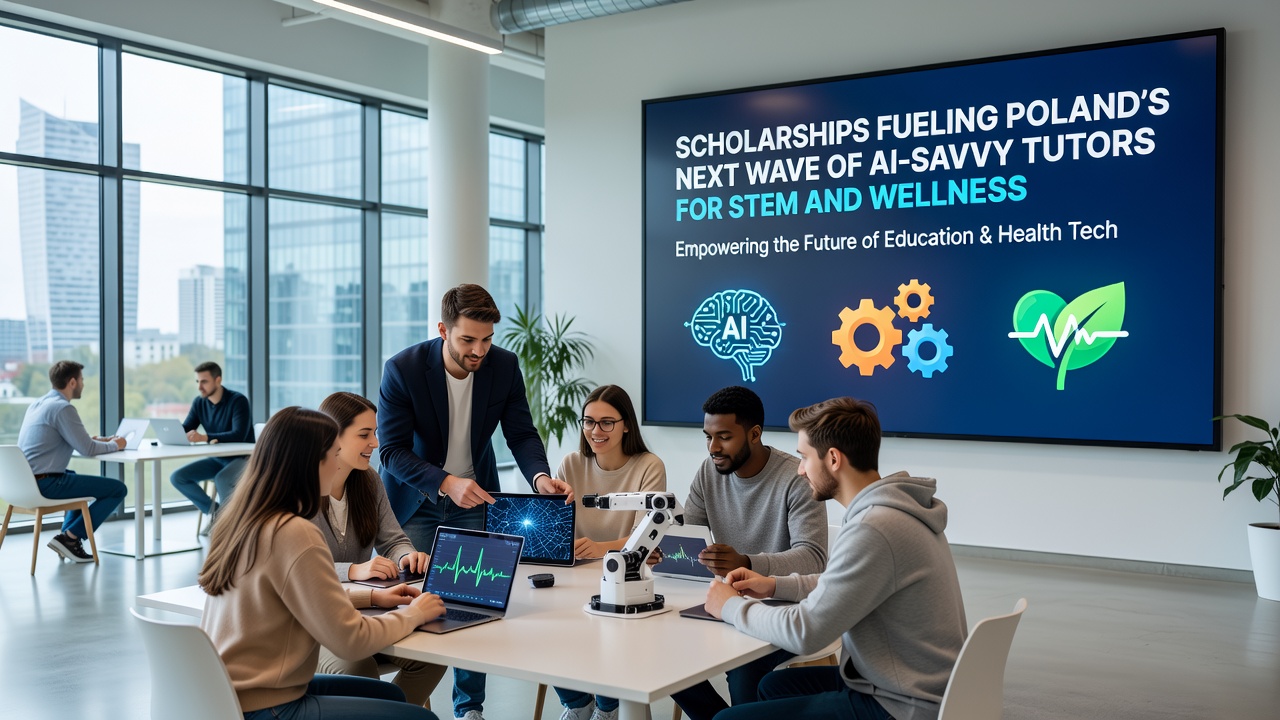
October 2026 brought the release of interim evaluation reports from the Ministry of Education and Science, and those figures reveal that 68 percent of scholarship holders had already begun delivering hybrid sessions that blend virtual AI interfaces with in-person wellness check-ins. The reports further detail partnerships between universities and private edtech firms that supply the necessary software licenses at reduced rates for program participants.
STEM Focus Areas and Curriculum Updates
Curriculum updates emphasize coding fundamentals for tutors themselves so they can customize open-source AI models for local classroom needs. Topics include predictive analytics for identifying students at risk of dropping STEM courses and natural language processing tools that translate technical explanations into Polish and English for international learners. Researchers at Warsaw University of Technology documented that tutors who completed the scholarship modules produced 35 percent more customized lesson materials than peers without the training.
Wellness components receive equal weight in the syllabus, and participants study evidence-based methods for integrating movement breaks and cognitive load management into tutoring schedules. Data collected through the National Centre for Research and Development shows that students paired with these tutors reported lower anxiety scores on standardized wellness surveys administered at the start and end of each semester.
Geographic Distribution and Enrollment Trends
Scholarship distribution data indicates that 42 percent of awards went to applicants from communities with populations under 50,000, and this pattern aligns with national goals to reduce urban-rural disparities in educational resources. Enrollment in the programs grew steadily through 2025 and early 2026, with applications rising 31 percent year over year according to agency records.
Cooperation agreements with regional teacher training centers allow scholarship recipients to access ongoing mentorship after their initial certification. This structure supports continuous skill updates as AI technologies evolve, and it creates pathways for tutors to contribute feedback that shapes future iterations of the curriculum.
Conclusion
Scholarship initiatives continue to scale the number of tutors equipped with both AI competencies and wellness expertise across Poland's education landscape. Figures released through October 2026 confirm sustained growth in program participation and early indicators point to expanded reach in underserved areas. The combination of targeted funding, structured training, and service commitments establishes a framework that other countries may examine for their own educator development efforts.