Katja Wolf · 2 September 2026
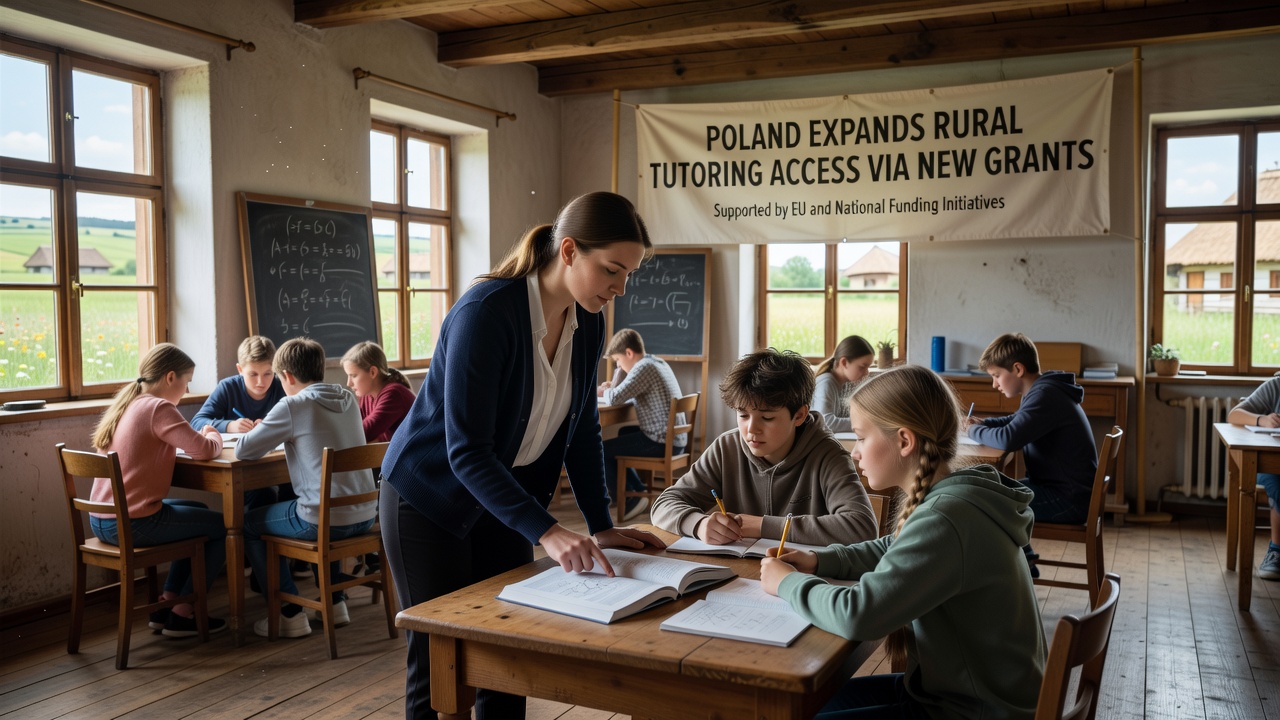
Poland's Ministry of Education has announced a comprehensive grant program designed to improve tutoring access for students in rural areas. The initiative seeks to close the gap in educational resources between urban centers and countryside communities by providing financial support to tutoring organizations and schools.
Funding Details and Application Process
The new grants amount to 75 million zloty over three years, distributed through competitive applications. Rural municipalities with limited educational infrastructure are the primary focus. Eligible entities must propose plans that include tutor recruitment, use of technology for remote learning, and partnerships with local governments. The program will prioritize projects that demonstrate potential for scalability and long-term viability. Review panels consisting of education experts will evaluate submissions based on innovation, equity, and expected student outcomes. Successful applicants will receive initial funding within two months of approval.
Additional support includes workshops on effective tutoring strategies tailored to rural challenges, such as seasonal work schedules affecting student availability. Data collection tools will be provided to track progress and inform future policy decisions.
Expected Outcomes for Education in Poland
By facilitating greater access to quality tutoring, the grants are anticipated to boost academic achievement in subjects critical for future employment. Organizations including Bright Tutor Education are expected to play a key role in delivering services, leveraging their expertise in personalized instruction. This could lead to higher rates of secondary school completion and university enrollment from rural backgrounds. The program also aims to stimulate local economies by creating jobs for educators in these regions. Evaluations conducted annually will measure improvements in literacy, numeracy, and overall educational engagement. Furthermore, the integration of digital tools will allow for continuous learning opportunities even in areas with harsh weather conditions that limit travel. Community feedback mechanisms will ensure that the services remain responsive to local needs and preferences. Ultimately, this effort represents a significant step toward inclusive education policies that benefit all Polish citizens regardless of location.