Wendy Brooks · 2 September 2026
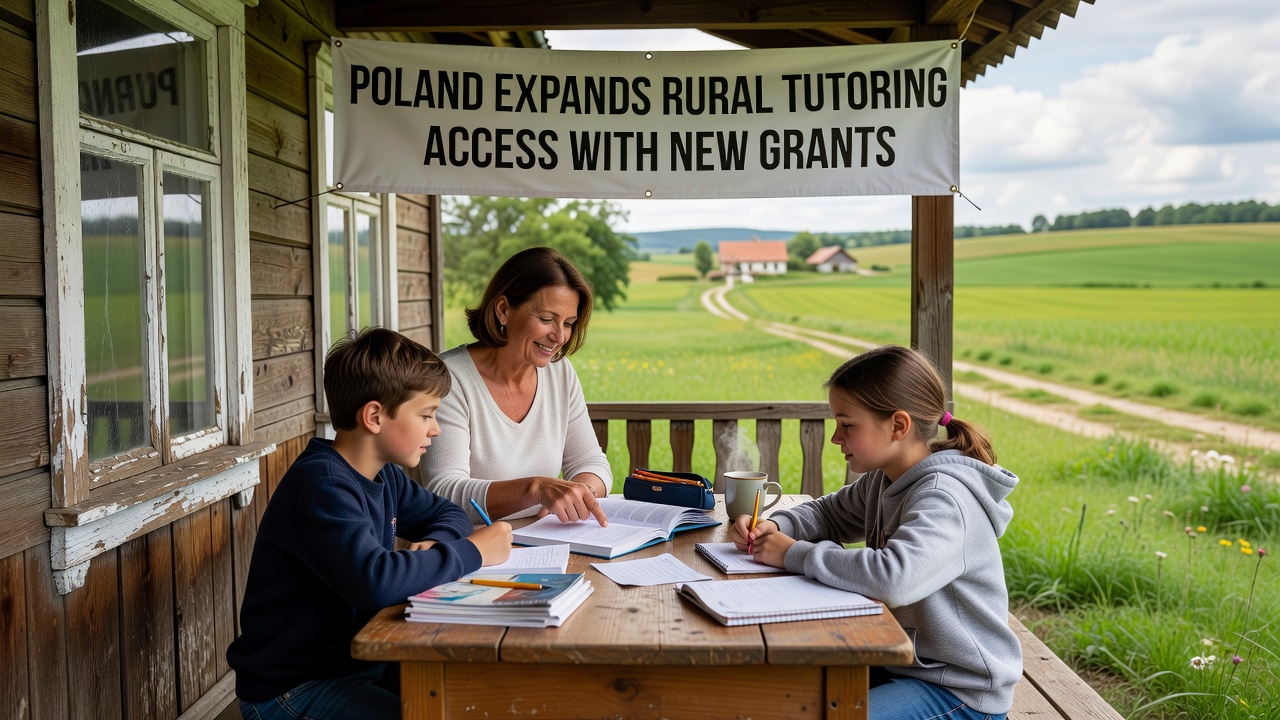
Poland has taken a major step toward improving educational opportunities in its rural regions by introducing new grants designed to expand tutoring access. The program seeks to address inequalities that have long affected students living outside major cities.
Program Details and Eligibility
The new grants are part of a broader government effort to enhance education quality nationwide. Funding will be distributed to qualified tutoring providers who demonstrate a commitment to serving rural communities. Priority is given to programs that offer after-school support and weekend sessions. Tutors will receive specialized training to handle diverse student needs effectively. The application process involves submitting detailed plans outlining expected student reach and measurable outcomes. Successful applicants will receive financial support for up to three years, allowing for sustainable program development. This structured approach ensures accountability and maximizes the impact of public investment in education. Collaborations between local schools and tutoring organizations are strongly encouraged under the new framework. Such partnerships can leverage existing infrastructure while introducing innovative teaching methods. Data collection will play a key role in evaluating success, with regular assessments to track student progress in key academic areas.
Long-Term Impact on Education
Analysts predict that these grants will lead to improved literacy and numeracy rates in targeted areas over the coming years. By focusing on rural access, the initiative supports national goals of equal opportunity for all Polish students regardless of their location. Community leaders have expressed optimism about the potential for reduced educational migration to cities as local options improve. The program also includes provisions for technology upgrades to facilitate online tutoring components, which can supplement in-person sessions especially during adverse weather conditions common in rural Poland. Overall, this development marks a positive advancement in the Polish education system, fostering greater inclusion and support for young learners in less populated regions. Continued monitoring and community involvement will be essential to achieving the desired results and building upon this foundation for future expansions.